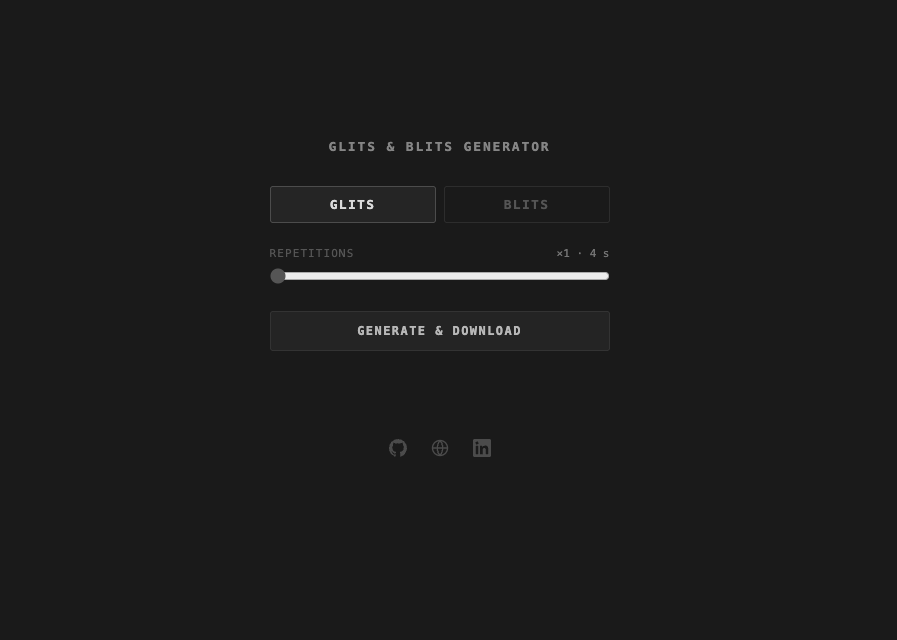
GLITS & BLITS Generator

GLITS & BLITS Generator

GLITS and BLITS are two broadcast-standard test tone sequences that most audio engineers have encountered but few have had a convenient way to generate from scratch. GLITS - Group Line-up and Identification Tone Sequence - is the BBC/EBU stereo alignment standard. It runs as a 4-second cycle of 1 kHz tone at -18 dBFS on both channels, with timed interruptions on each channel in turn to identify left and right. It is the tone you hear at the top of a contribution feed or at the start of a tape, and it tells you the line is up, the levels are correct, and the channels are the right way round. ...

April 26, 2026 · Matt Thomas
OpenGear frame rate converter

Frame Rate Conversion in Broadcast: Why It Matters and Why Sport Makes It Hard

The broadcast world is divided. Europe, Africa, the Middle East, and most of Asia produce and transmit television at 50Hz - 25 frames per second progressive, or 50 fields per second interlaced. The Americas, Japan, and South Korea use 59.94Hz - approximately 30 frames per second, or approximately 60 fields per second interlaced. These two families have coexisted since the early days of television and show no sign of converging. ...

April 20, 2026 · Matt Thomas
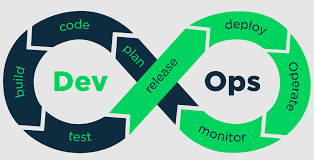
DevOps

The Emerging DevOps Role in Broadcast Engineering

Broadcast engineering has always had an operations dimension. Keeping a transmission chain on air, maintaining a routing system, managing the configuration of hundreds of devices across a live facility - these are operational problems that require discipline, process, and good documentation. What has changed is the nature of the infrastructure being operated. SDI routers had firmware. IP routing systems have software, APIs, configuration files, container images, and dependencies. An NMOS registry is a running process. A stream monitor is a web application. A routing automation system is a codebase. The tools that the software industry developed for managing this kind of complexity are called DevOps, and they are becoming relevant to broadcast engineering whether the industry is ready for them or not. ...

April 16, 2026 · Matt Thomas
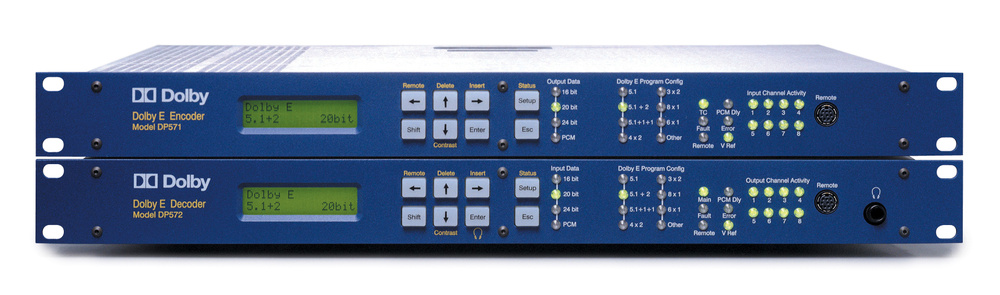
Dolby DP571 Encoder and DP572 Decoder

Dolby E - Why It Still Matters in Broadcast Contribution

There’s a tendency in broadcast to talk about technology in terms of what’s replacing it. Dolby E is overdue for that conversation in some quarters. And yet, if you’re working in contribution, live event production, or linear broadcast distribution, Dolby E is still very much present. Understanding what it is, why it exists, and what it’s carrying in its metadata is not optional knowledge for anyone doing serious audio engineering in broadcast. ...

March 30, 2026 · Matt Thomas